
Exhibition Stand Approval Process at DWTC: Step-by-Step Checklist for Exhibitors
The DWTC stand submission process is the route a stand design takes from concept to approved build. Exhibitors prepare their stand layout and technical documentation, submit them for review, address any comments, and confirm final approval before fabrication and installation begin.
At Dubai World Trade Centre, this step protects your build schedule. A stand that has not been properly reviewed can face delays, redesign costs or on-site changes during build-up.
Requirements can differ by event, hall, stand type and organiser, so always check your exhibitor manual first. This checklist walks you through the workflow in a clear, practical order so nothing is missed.
What Is the DWTC Stand Submission Process?
It is the structured review of your stand design and supporting documents before you build. The usual workflow looks like this:
- The exhibitor confirms the event requirements and stand space.
- The stand concept and layout are finalised.
- Technical drawings and supporting information are prepared.
- The documentation is submitted through the process set out for your event.
- Review comments are received and revisions are made where needed.
- Final approval is confirmed.
- The approved design moves into fabrication and build-up.
The exact documents, channels and timings are not the same for every show. Treat your event’s exhibitor manual and organiser instructions as the final reference.
DWTC Stand Submission Process: Step-by-Step Checklist
1. Confirm the Event and Stand Requirements
Start with the basics: the event name, hall, stand number, stand type and the space you have been allocated. Then read the exhibitor manual and any organiser guidance carefully.
These documents tell you what applies to your stand, including stand type rules, submission instructions and any event-specific conditions. For a wider overview of venue regulations, see our guide to DWTC exhibition stand rules.
2. Finalise the Stand Concept and Layout
Before technical drawings begin, the concept needs to be settled. Changes made later can force you to redo drawings and resubmit.
Confirm the following:
- Floor area and dimensions, matched to your allocated space
- Access points and visitor flow
- Branding positions and key display areas
- Meeting rooms, reception points and storage
- Furniture, products and any heavy or special features
If you are still developing the concept, working with a team of exhibition stand designers in the UAE can help turn the brief into a layout that is practical to build and document.
3. Prepare Technical Drawings and Supporting Documents
The documentation needed depends on your stand and the event. Commonly, exhibitors may be asked for some combination of:
- Floor plans and elevations
- Dimensions and heights
- Electrical information
- Structural details, where applicable
- Rigging information, where applicable
- Materials, branding and graphics details
This is not a universal list. Some stands need little beyond basic plans, while larger or more complex builds may need much more. Use your event’s requirements to decide exactly what to prepare.
4. Submit the Stand Documentation
Submit your documents using the process, format and contact route specified for your event. Check who should receive the submission, whether the exhibitor or the appointed stand contractor submits it, and what the organiser expects to see.
Before sending, check that:
- Drawings are current and match the final concept
- File names and versions are clear
- Project details such as event, hall and stand number are correct
- Nothing required for your stand type is missing
Submission channels, timelines and any fees can vary, so confirm them with the organiser rather than assuming.
5. Respond to Review Comments
It is common for a submission to receive comments or requests for changes. Treat these as part of the process, not a setback.
- Read every comment fully and list the actions required.
- Update the drawings against the latest comments only.
- Keep a record of each revision and its date.
- Resubmit promptly and confirm it was received.
Pause fabrication decisions until revisions are resolved. Building from older drawings is a frequent cause of rework.
6. Confirm Final Approval Before Build-Up
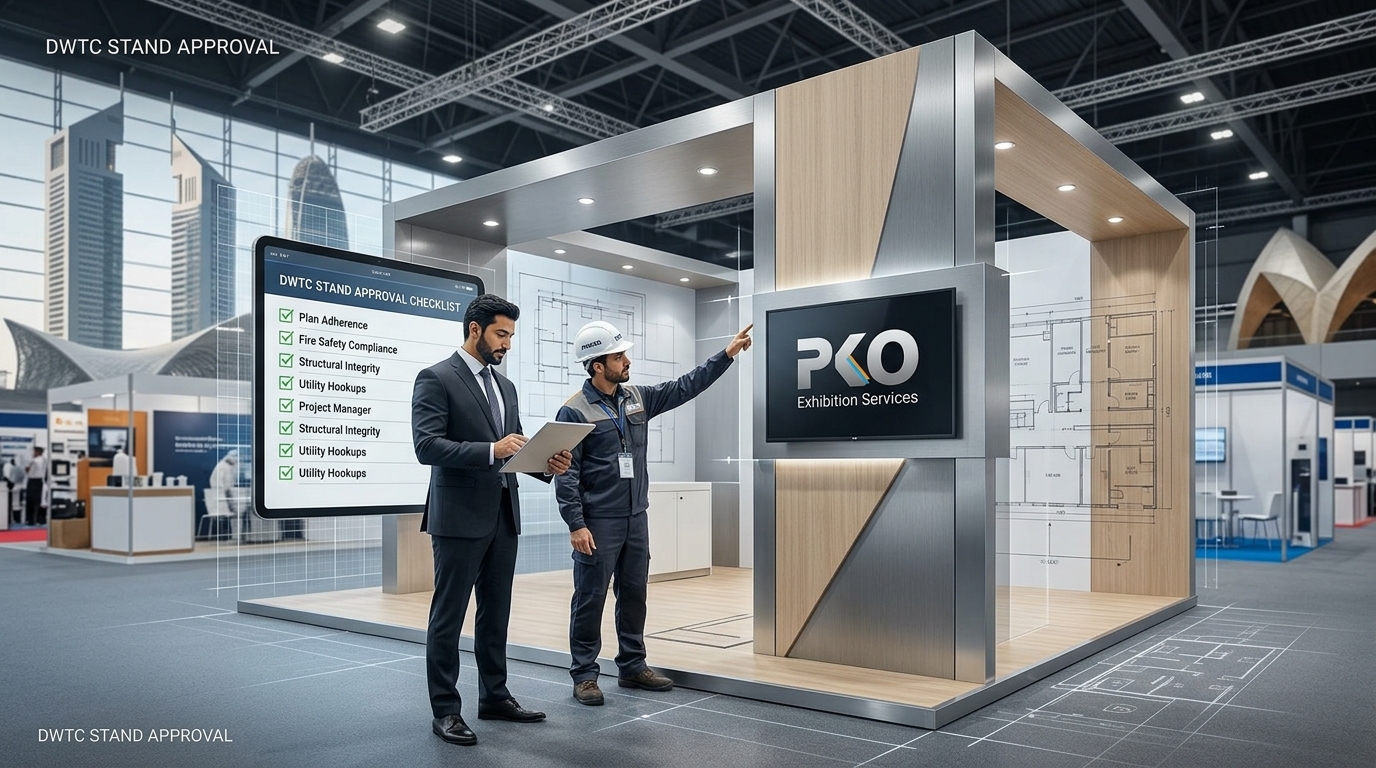
A submission is not an approval. Wait for clear confirmation that your design has been approved, and keep the final approved version of every drawing.
Share only that version with your fabrication and installation teams. For a closer look at how approval itself works, read our article on DWTC stand approval.
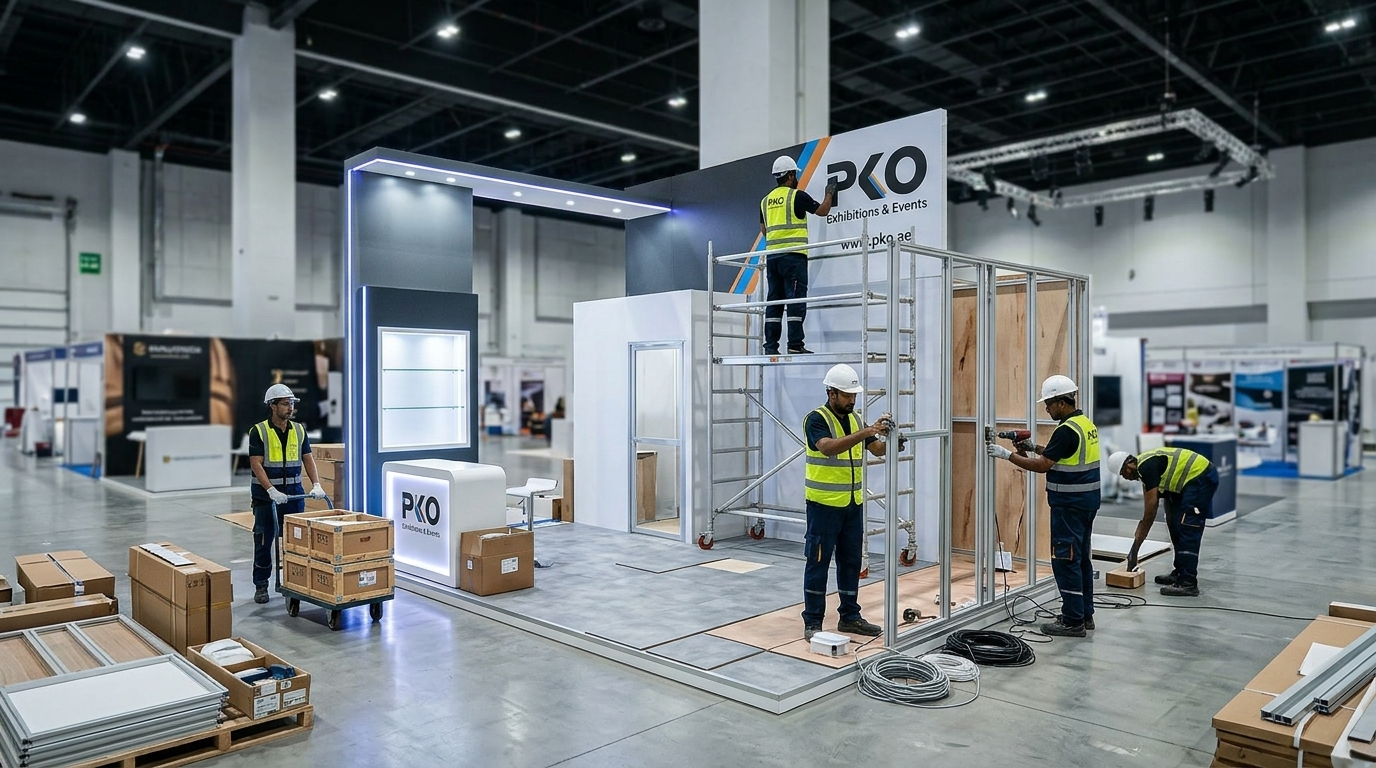
7. Coordinate Build-Up and On-Site Compliance
Once the design is approved, the work shifts to delivery. Your build must follow what was approved, and every party working on it needs the same information.
Coordination typically involves the exhibitor, stand contractor, organiser, installation crew, electrical services, graphics suppliers and AV providers. If your stand includes screens or interactive features, plan them early using our guide to exhibition stand AV integration.
Good exhibition logistics planning in Dubai, covering delivery windows, access and storage, also keeps build-up running smoothly.
DWTC Stand Submission Checklist for Exhibitors
Use this as a working list. Items marked where applicable depend on your stand and event.
Project information
- Event name, hall and stand number confirmed
- Stand type and allocated area confirmed
- Organiser contact and exhibitor manual to hand
Design and drawings
- Stand layout finalised
- Floor plans and elevations prepared
- Dimensions and heights checked against the allocated space
- Structural information, where applicable
- Rigging information, where applicable
Services and features
- Electrical requirements listed
- AV requirements listed, where applicable
- Furniture and equipment identified
- Safety and access considerations reviewed
Branding
- Graphics and signage positions marked
- Branding materials and finishes noted
Submission and approval
- Supporting documents gathered
- Submission sent through the required process
- Review comments logged and answered
- Final approved drawings saved and shared with the build team
Build-up
- Contractors and suppliers briefed on approved details
- Delivery and installation schedule confirmed
Common Mistakes That Can Delay Stand Approval
- Starting too late. Technical preparation takes time, and rushed drawings are more likely to attract comments.
- Using outdated drawings. Always work from the latest version.
- Missing event-specific requirements. What applies at one show may not apply at another.
- Changing the design after submission. Late changes can mean resubmitting.
- Responding vaguely to comments. Address each point clearly and record the change.
- Fabricating before final approval. This risks building something that has to be altered.
- Poor coordination. Designer, contractor, organiser and suppliers need the same information.
- Overlooking technical requirements. Electrical, structural, rigging and safety points should be considered early, where they apply to your stand.
How an Exhibition Stand Contractor Can Help With DWTC Submission
Preparing documents while also managing branding, production and travel is a lot for an exhibitor’s own team. An experienced stand partner can take on much of the coordination.
PKO Exhibitions & Events can support exhibitors across the stand journey, including:
- Design development that fits the allocated space
- Technical drawings and documentation coordination
- Submission preparation and revision management
- Fabrication planning and quality checks, including custom display stands and kiosks
- Installation planning and exhibition logistics
Because requirements differ by event, the right starting point is always your exhibitor manual and organiser instructions. A good contractor works from those, not from assumptions.
DWTC Stand Submission Process: Quick Checklist
- Confirm event-specific requirements.
- Finalise the stand concept and layout.
- Prepare the required technical drawings and documents.
- Submit the documentation through the applicable process.
- Review and address all comments.
- Obtain confirmation of final approval.
- Share the approved information with the build team.
- Coordinate installation and on-site compliance.
Frequently Asked Questions
What is the DWTC stand submission process?
It is the process of preparing and submitting your stand design and technical documents for review before construction. The review may lead to comments and revisions, and the stand should only be built once approval is confirmed. Specific steps depend on the event and organiser.
What documents are usually needed for a DWTC stand submission?
Exhibitors are often asked for plans and elevations, along with electrical, structural or rigging details where the stand requires them. Branding and material information may also be requested. The exact list varies by event and stand type, so check your exhibitor manual.
When should exhibitors submit stand designs to DWTC?
As early as possible. Deadlines are set per event and are not the same everywhere, so confirm them with your organiser. Allow extra time for review comments and revisions, because these can take longer than expected on complex stands.
What happens if DWTC requests changes to a stand submission?
You will need to update your drawings to reflect the comments and resubmit them. Keep a record of each revision and avoid starting fabrication until the changes are resolved and approval is confirmed.
Can a stand be fabricated before final approval?
It is not advisable. Fabricating early risks building to a design that later needs to change, which can add cost and delay. Wait for confirmed approval, then build strictly from the final approved drawings.
Who is responsible for submitting exhibition stand drawings?
This depends on the event arrangements. In many cases the exhibitor or its appointed stand contractor handles the submission. Check your exhibitor manual to confirm who should submit and who the organiser will deal with.
Do DWTC stand requirements vary between events?
Yes. Organiser rules, stand types, hall conditions and technical requirements can differ from one event to another. Always rely on the current exhibitor manual and organiser guidance for your specific show rather than information from a previous event.
Plan Your Stand With Confidence
A clear submission workflow saves time, reduces rework and keeps your build on track. If you are preparing a stand for an event at Dubai World Trade Centre, speak to the PKO team about your design, documentation and build requirements.