
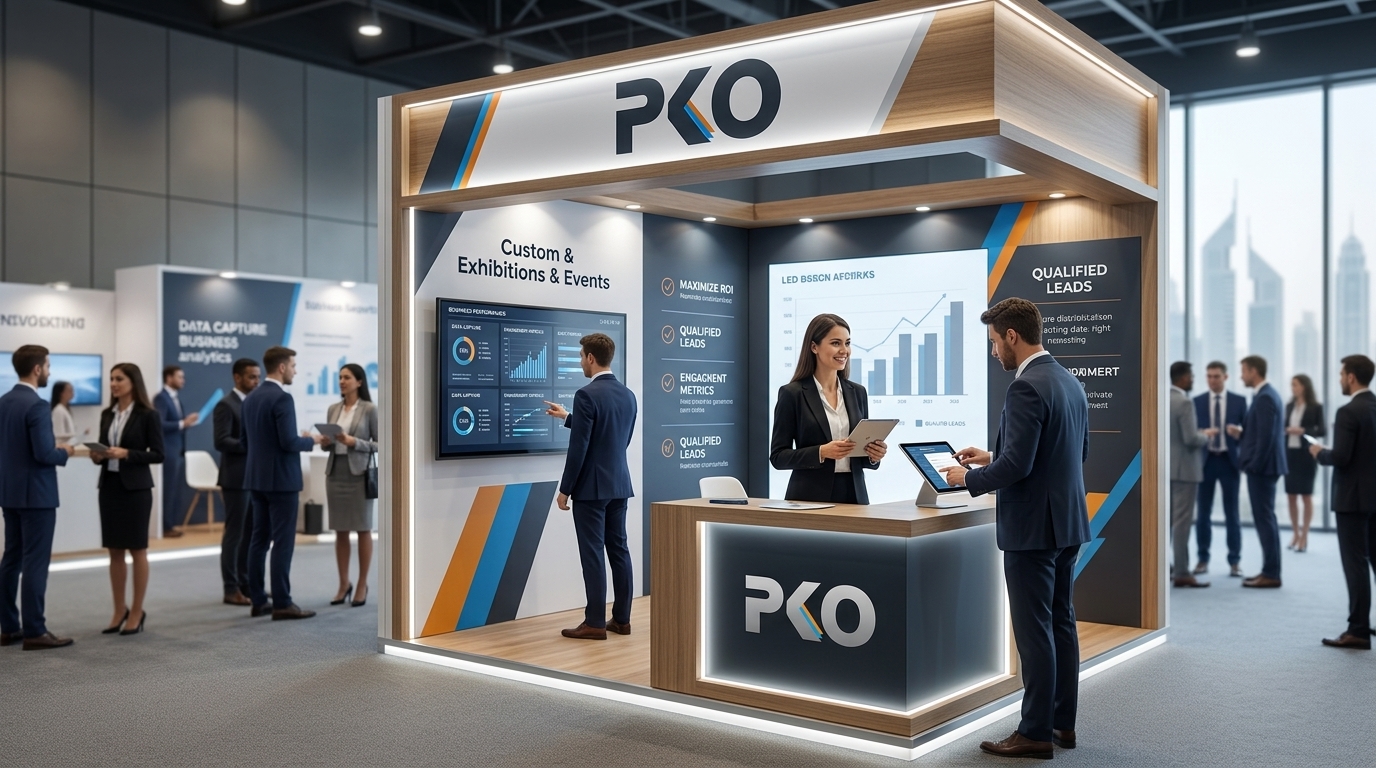
Tradeshow Lead Generation in Dubai: Booth Engagement & Technology Strategies
Filling a stand with visitors is only the first step. At busy Dubai exhibitions, attention is short and competition is close, so a stack of business cards rarely turns into revenue. Strong trade show lead capture strategies Dubai exhibitors rely on follow one sequence: attract the right visitors, start a useful conversation, qualify interest, record it properly and follow up while the meeting is still fresh. This guide covers each step in practical terms.
What Are Trade Show Lead Capture Strategies in Dubai?
Trade show lead capture strategies are the methods exhibitors use to identify interested visitors, record their details and pass them to sales with enough context to act. At Dubai exhibitions, this usually means a mix of face-to-face conversation, badge scanning, QR codes and a shared system for notes.
Effective lead capture has three features:
- It is quick enough not to interrupt the conversation.
- It records intent, not just contact details.
- It reaches the sales team in a usable format.
Dubai audiences are international and time-pressed, so a simple, respectful process works better than a long form or a hard sell.
1. Design the Booth Around Visitor Engagement
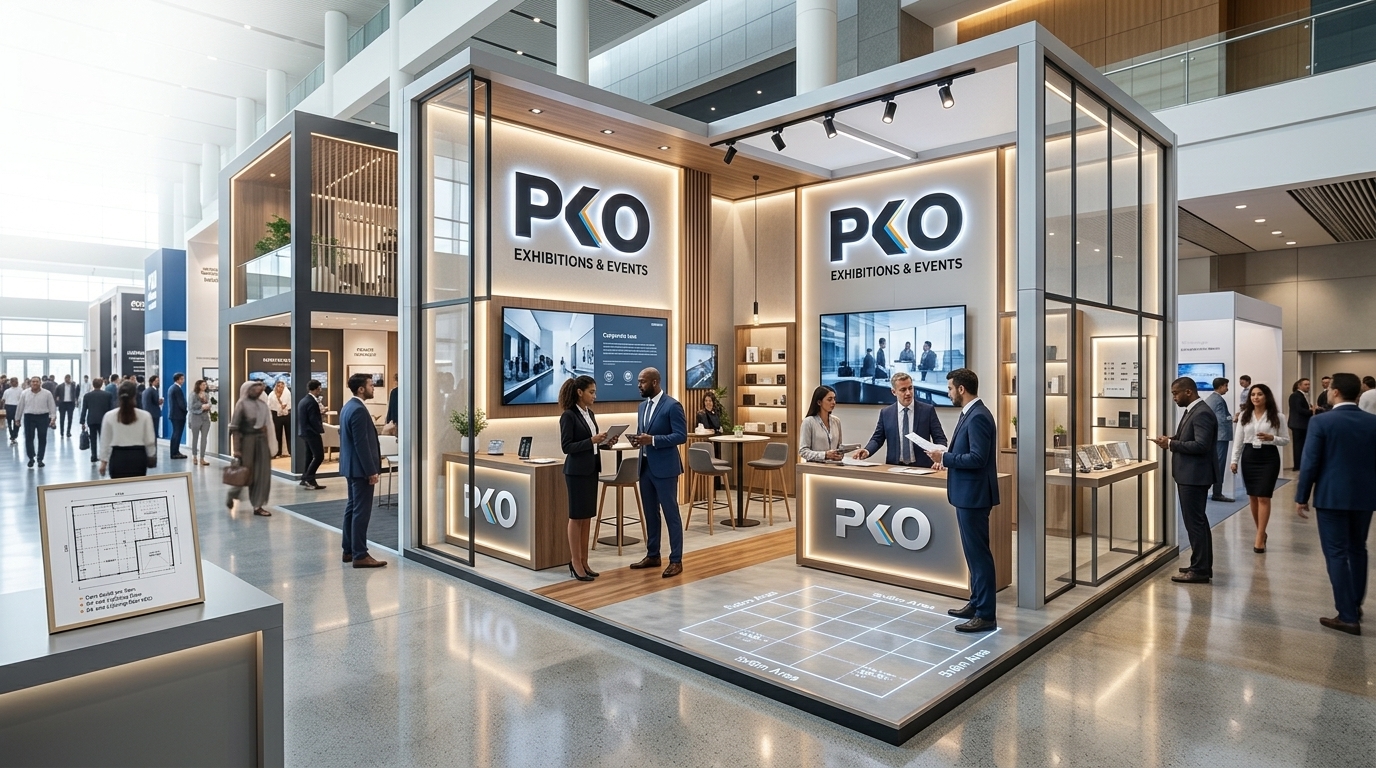
A booth that looks impressive but confuses visitors will not generate leads. Design decisions should make it easy to understand what you do and where to step in.
- Clear messaging: One headline that states what you offer, readable from the aisle.
- Open visitor flow: Wide entry points and no counters blocking the front.
- Visual hierarchy: Key message first, product second, call to action third.
- Demonstration areas: A spot where visitors can see the product working, not just read about it.
- Interactive zones: Space for a short hands-on experience that opens a conversation.
- Clear calls to action: Tell visitors what to do next, whether that is scanning, booking or speaking to a specialist.
These choices work best when planned together, which is where visitor-focused exhibition stand design makes a practical difference to how people move through and engage with a stand.
2. Use Technology to Capture Leads Faster
Technology should remove friction. If a tool takes longer than a conversation, visitors will walk away.
Useful options include:
- Badge scanning: The organiser’s scanner captures verified details in seconds.
- QR codes: Let visitors request information on their own phone.
- Digital forms on tablets: Short forms that staff complete with the visitor.
- Touchscreens and interactive product displays: Let visitors explore at their own pace, then leave details to receive more.
- CRM integration: Sends captured leads straight to your sales system, so nothing is retyped from paper.
Choose one or two tools your team will use confidently. A simple process used consistently beats a complicated one used badly.
3. Qualify Leads Instead of Collecting Every Contact
Contact volume and lead value are different things. Fifty vague names can cost your sales team more time than ten well-qualified prospects.
Train staff to ask a few natural questions:
- What solution are you looking for?
- What is your project timeline?
- Which product or service interests you most?
- Who else is involved in the buying decision?
- When should our team follow up?
Record the answers in the lead record. A simple three-level rating, such as hot, warm and early-stage, is usually enough to guide follow-up.
4. Train Booth Staff for Better Conversations
People remember how a conversation felt more than what was on the screen. A short briefing before the show pays off.
- Avoid aggressive pitches. Start with a relevant question instead.
- Listen before presenting, then show only what matches the visitor’s need.
- Watch for buying signals such as questions on pricing, timelines or delivery.
- Write useful notes immediately, while the details are clear.
- Assign each lead to a named person for follow-up.
Rotate staff so no one is tired by the afternoon, since Dubai show days can be long.
5. Use QR Codes and Interactive Content Strategically
A QR code is only as useful as the page behind it. Sending every visitor to a generic homepage wastes the moment.
Match the destination to the visitor’s intent:
- Product catalogue for early research
- Product demo for visitors who want to see it working
- Meeting booking for serious buyers
- Brochure download for those collecting information
- Pricing enquiry for visitors ready to discuss budget
- Case study for those comparing suppliers
- Short contact form for general interest
Place codes where people naturally pause, such as demonstration points and conversation areas, and add a short instruction beside each one. Clear exhibition signage solutions help visitors understand what they will receive when they scan.
6. Make Your Booth Technology Support the Stand Design
Technology works best when it is planned into the stand rather than added at the last minute.
- Digital displays and demonstration screens: Show a short, looping message that explains your offer in seconds.
- AV systems: Keep sound controlled so staff can still hold conversations. For planning detail, see PKO’s guide to AV integration for exhibition stands.
- Lighting: Direct attention to products and interactive points.
- Signage: Guide visitors from the aisle to the action you want them to take.
- Kiosks: Interactive kiosks and display stands can host product browsing or digital sign-up in a dedicated spot.
- Presentation areas: A branded backdrop and stage area gives scheduled demonstrations a clear focal point and draws visitors in.
Check power, connectivity and venue requirements early, since reliable internet and charging points can decide whether digital capture works on show day.
7. Track Lead Quality After the Exhibition
Total lead count is a weak measure on its own. Track what happened to the leads afterwards.
- Total leads captured
- Qualified leads
- Meetings booked
- Follow-up response rate
- Sales opportunities created
- Conversion rate to customers
Review these within a few weeks of the show and compare them with the objectives you set beforehand. For a deeper cost and return view, PKO has a separate exhibition booth ROI calculator guide.
8. Follow Up Quickly After the Dubai Trade Show
Speed matters because visitors meet many exhibitors in a short time. A simple workflow keeps momentum:
- Day 0: Categorise leads by interest level before the team leaves the venue or that evening.
- Day 1: Send a personalised message that refers to the conversation or product discussed.
- Within a few days: The sales team contacts qualified prospects directly.
- Later: Continue nurturing leads that are not yet ready, with useful content rather than repeated sales calls.
Common Trade Show Lead Capture Mistakes
- Collecting contacts without qualifying them
- Asking for too much information in the form
- Using technology without a clear purpose
- Weak or crowded booth messaging
- No named owner for each follow-up
- Sending the same generic email to every lead
- Waiting too long after the exhibition to respond
How PKO Exhibitions & Events Can Support Lead-Focused Booths
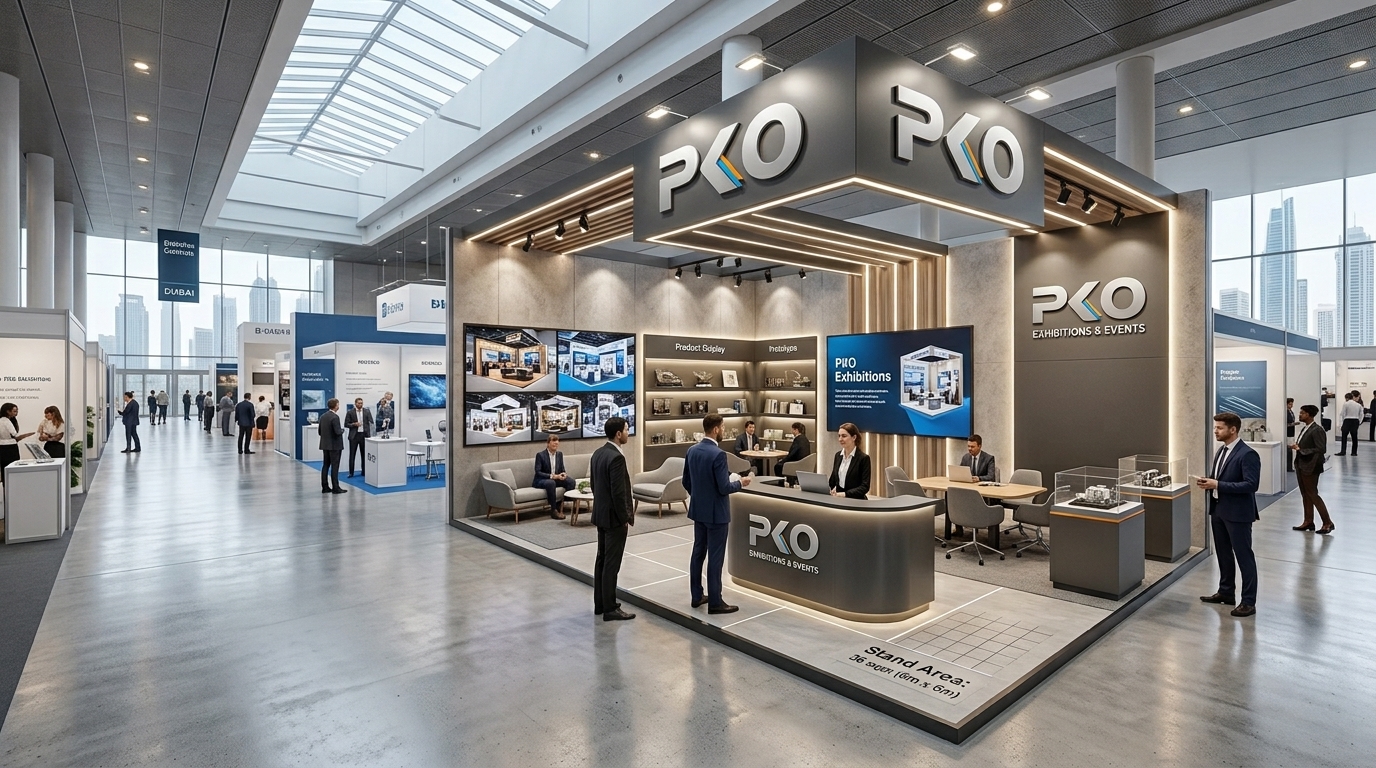
Lead capture works best when the physical environment supports it. PKO Exhibitions & Events works with exhibitors across the UAE on stands where layout, visitor flow, displays, signage, technology, printed materials and engagement areas are planned together, so staff can focus on conversations rather than workarounds.
If you are preparing for an upcoming show, you can discuss your exhibition requirements with the team early, while lead capture goals can still shape the stand.
FAQs
What are the most effective trade show lead capture strategies in Dubai?
The most effective approach combines an open, engaging booth, badge scanning or QR codes, a few qualifying questions and trained staff. Pair these with notes on each visitor’s interest and a clear follow-up owner. Quality matters more than quantity, so capture the details sales teams need to act quickly.
How can technology improve exhibition lead capture?
Technology speeds up data capture, reduces handwriting errors and sends leads to your CRM without retyping. Badge scanners, tablets and QR codes let staff spend more time talking. It works best when each tool has a clear purpose and takes only seconds for the visitor to use.
What information should a trade show lead form collect?
Keep it short. Collect name, company, job role, email or phone, and the product or service of interest. Add one or two qualifying fields, such as project timeline and preferred follow-up time. Long forms slow conversations and discourage visitors, so ask only what sales will genuinely use.
How do you qualify exhibition leads at a booth?
Ask simple, conversational questions about the visitor’s need, timeline, interest and role in the buying decision. Then rate the lead, for example as hot, warm or early-stage, and note the agreed next step. This gives your sales team clear priorities instead of an unsorted contact list.
How quickly should exhibitors follow up after a trade show?
Categorise leads on the final day of the show and send a personalised message within one working day. Qualified prospects should receive a direct call or meeting request within a few days. Early follow-up keeps your conversation fresh before visitors move on to other suppliers.
How can booth design improve lead generation?
Good design makes your offer clear at a glance and invites visitors in. Open entry points, clear messaging, demonstration areas and visible calls to action help staff start conversations. Poor layout, cluttered graphics or blocked entrances do the opposite and make visitors less likely to stop.
What should exhibitors measure after a Dubai trade show?
Measure total leads, qualified leads, meetings booked, follow-up responses, sales opportunities and conversion rate. These show whether the booth attracted the right audience, not just a large one. Compare results against the goals set before the show to decide what to keep, change or drop next time.
Conclusion
The best trade show lead capture strategies Dubai exhibitors can adopt are simple: design a stand that invites conversation, use technology that saves time, qualify every lead, brief your staff and follow up quickly. Treat the exhibition as the start of a sales process, not the end of one. With clear goals and a booth built to support them, your team can turn visitor interest into measurable business.