

The Ultimate Exhibition Planning Timeline: From Pre-Event Setup to Post-Event ROI
An Exhibition Planning Timeline is a structured schedule or roadmap that outlines the key tasks, milestones, and deadlines involved in organizing an exhibition or trade show. It serves as a guide to ensure that all aspects of the event are planned, coordinated, and executed efficiently.
Exhibitions have long been a vital tool for businesses to engage customers, showcase innovations, and solidify their presence in industry verticals. Done correctly, these events blend strategy and execution, offering unparalleled opportunities for face-to-face networking, product exposure, and brand building. However, success doesn’t happen by chance; it’s the result of a meticulously planned timeline that ensures smooth operations, maximized visibility, and measurable outcomes.
This guide explores a comprehensive exhibition planning timeline, offering clarity on everything from pre-event foundations to post-event ROI analysis. Breaking it down step-by-step, we dissect how organizations can make the most out of their exhibition investments.
Why Strategic Planning is Key to Exhibition Success
Planning an exhibition requires more than booking the venue and designing an attractive booth; it demands aligning organizational objectives with strategic actions. Whether you’re participating in an international trade show or a local industry fair, the overarching goals often span lead generation, heightened brand visibility, and establishing industry leadership. However, with an estimated $50 billion spent annually on global exhibitions, competition is fierce, and meticulous planning is a prerequisite for success.
This timeline is structured into the following three key phases:
- Pre-event preparation
- Onsite exhibition management
- Post-event evaluation
For streamlined planning and impactful results, a business must meet critical milestones at each stage.
Pre-Event Setup: Laying the Groundwork
The pre-event phase is the backbone of any successful exhibition. This stage ensures that all logistical, promotional, and strategic elements are aligned well before the event begins to avoid last-minute setbacks.
12 Months Before the Event
Setting Objectives
The first step is agreeing upon the event’s purpose. Are you aiming to launch a product, generate leads, or solidify relationships within the industry? These objectives will form the foundation for planning and execution. Setting Key Performance Indicators (KPIs) like the number of sales inquiries, social media mentions, or foot traffic to the booth lays measurable benchmarks for success.
Event Selection and Research
According to industry surveys, nearly 70% of exhibitors say that selecting the “right event” is critical to meeting their objectives. Not all exhibitions deliver equal value—evaluate attendee demographics, industry relevance, and ROI potential before committing. Similarly, assess past-year engagement metrics of the event to verify the size and quality of its audience.
9–11 Months Before the Event
Crafting a Budget
Exhibitions can be resource-intensive, requiring a well-defined budget. Include costs associated with:
- Booth rentals and design
- Staffing and training
- Marketing materials
- Travel and accommodation
A common best practice is to allocate 10–15% of the budget for unforeseen expenses.
Booth Concept and Design
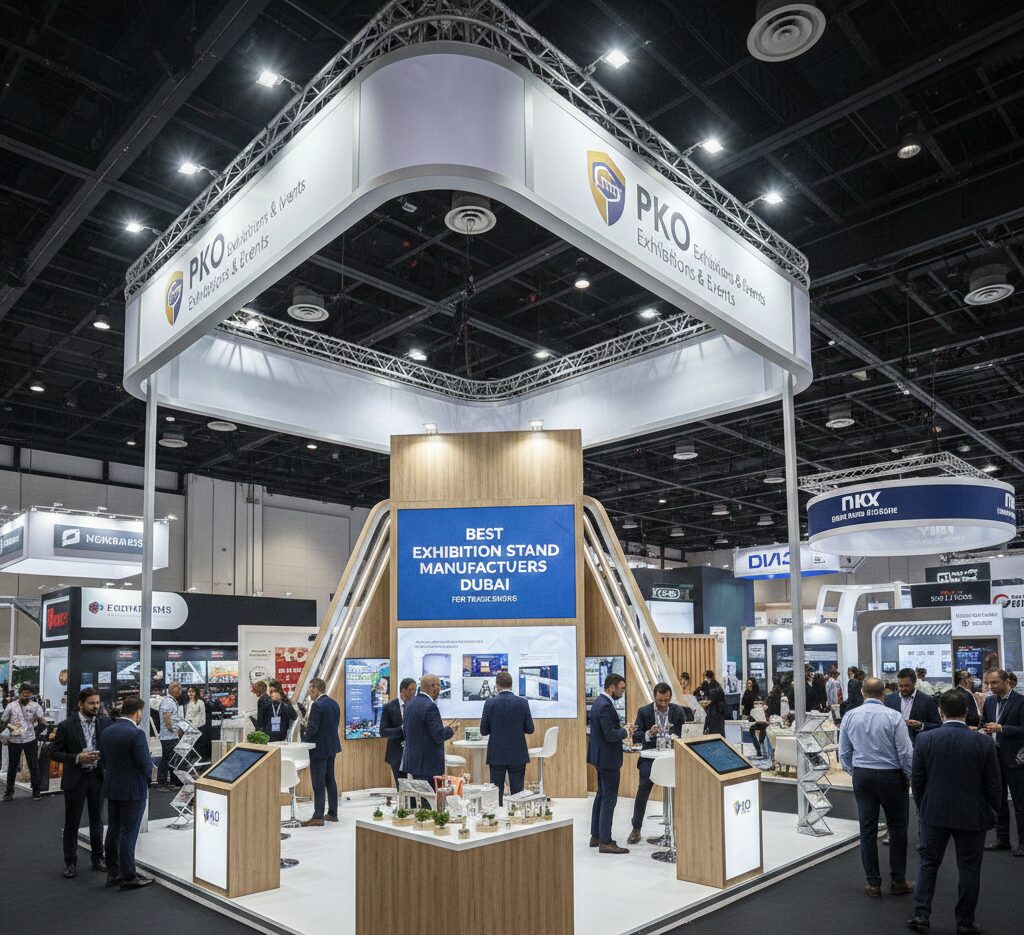
Your booth is the first interaction attendees will have with your brand. Create a visually striking design with clear messaging, interactive elements, and comfortable meeting areas. Options like modular displays allow flexibility for various event sizes.
Additionally, ensure adherence to venue regulations regarding dimensions, electrical requirements, and fire codes.
6–8 Months Before the Event
Logistics Management
By this point, booth space should be secured, utilities agreed upon, and all exhibit materials documented. Prime booth locations, like those near entrances or intersections, tend to maximize foot traffic, but they’re often competitive. Book early to secure advantageous placements.
Marketing Kickoff
Promoting your booth well in advance builds awareness among attendees and potential partners. Key marketing tactics include:
- Launching dedicated event landing pages
- Email marketing campaigns targeting existing clients and potential leads
- Building anticipation through social media updates and hashtags
3–5 Months Before the Event
Pre-Event Networking
Digital tools such as event apps or LinkedIn can help identify and connect with relevant attendees or stakeholders. Booking meetings with decision-makers ensures productive conversations during the event.
Training Staff
Your exhibition team’s performance is vital to success. Deliver training on scripts, product demonstrations, customer engagement, and using lead-capturing tools. Prepared staff can help convert booth visits into qualified leads.
1–2 Months Before the Event
Prepping Promotional Materials
Finalize all brochures, giveaways, slide decks, or videos. If using tech-driven components like virtual reality or interactive displays, test them extensively to avoid technical glitches.
Final Checklist
Reconfirm travel bookings, hotel accommodations, staffing schedules, and shipment of booth materials to the venue. Having everything squared away reduces stress as the event date approaches.
The Final Week
This period often focuses on last-minute promotions—posting booth details on social media or sending exciting “what to expect” emails to confirmed attendees. Staff walkthroughs of daily schedules and troubleshooting procedures minimize confusion onsite.
Onsite Exhibition Management
The day of the event is the apex of months of preparation. Execution is crucial, as this is where brands make their first impression on attendees.
Booth Setup and Execution
First Impressions Matter
Arrive early to set up the booth. Focus on lighting, signage, and interactive displays. Ensure your materials, like brochures or business cards, are well-positioned for easy access.
Engaging Visitors
Once visitors arrive at your booth, it’s essential to capture their attention quickly and authentically. Here’s how:
- Host live demos that demonstrate real-world product benefits.
- Use gamification strategies like quizzes or prize wheels for engagement.
- Offer exclusive show promotions to drive immediate interest.
Lead Collection
Tools like QR code scanners or customer relationship management (CRM) apps allow for efficient collection of attendee details in real time. Always prioritize data security to build visitor trust.
Monitor and Adapt
Keep an eye on competitor booths—observe their tactics, presentation styles, or engagement strategies. Take live feedback from your team about what’s working or where adjustments are needed.
Real-Time Promotion
Leverage social media for maximum visibility, posting updates such as happening-now showcases or customer testimonials directly from the event. Encourage attendees to tag your company in their posts using designated hashtags.
Post-Event Analysis and ROI Measurement
The exhibition may have ended, but perhaps the most important stage begins after the event.
The First Week After the Event
Team Debriefing
Gather your team to identify what worked and what didn’t. Document feedback to improve future processes.
Lead Follow-Up
Timely follow-ups can dramatically improve conversion. Studies show 82% of trade show leads never receive follow-up communication, highlighting a major missed opportunity for many exhibitors. Personalize outreach emails or schedule calls based on the visitor’s level of interest.
ROI Assessment
Quantitative Evaluation
Evaluate KPIs alongside exhibition costs to determine the event’s ROI. Break down data by metrics like:
- Number of new qualified leads
- Onsite sales conversions
- Website and social traffic uplifts
Qualitative Insights
Beyond financial metrics, assess brand imaging success. Did you open new partnerships or position yourself as an industry leader? Non-numerical wins can be equally impactful in refining strategies moving forward.
One Month Later
Conclude the process by:
- Consolidating CRM Data. Ensure all attendee interactions are logged to nurture future opportunities.
- Sharing Findings with Stakeholders. Internal debriefs can highlight the value delivered and justify future budgets.
- Revising Next Year Plans. Use collected insights as a springboard to refine preparations for your next event.
Final Thoughts
Exhibition planning stretches beyond logistics; it’s an art form that balances foresight, adaptability, and execution. By adhering to a structured timeline encompassing pre-event groundwork, onsite operations, and focused post-event analysis, organizations can extract maximum value from their event investments.
When approached strategically, exhibitions have the power to amplify ROI, enhance brand visibility, and create lasting industry impact, making them a cornerstone of successful marketing strategies year after year.
How PKO Exhibitions & Events Can Help
Successfully executing an exhibition requires more than a great idea; it demands a partner with proven expertise, precision, and a commitment to results. With over 20 years of industry experience, PKO Exhibitions & Events has established itself as a trusted leader in custom exhibition stand design and event solutions across the UAE.
Why Partner with PKO Exhibitions & Events?
- Custom Exhibition Stands That Make an Impact: PKO specializes in designing and building bespoke exhibition stands that elevate your brand and set you apart from the competition. Every stand is tailored to your objectives, ensuring your brand story is communicated with clarity and creativity.
- In-House Design, Fabrication, and Installation: Unlike many vendors, PKO manages the entire process internally—from concept development to fabrication and onsite setup. This full in-house control guarantees consistent quality and delivery on tight deadlines.
- Seamless Project Management: With dedicated project managers overseeing each phase, you benefit from clear communication, on-time execution, and comprehensive coordination. PKO handles logistics, permits, technical requirements, and last-minute adjustments—so you can focus on networking and outcomes.
- End-to-End Event Solutions: PKO’s offerings extend beyond stands to include promotional kiosks, stages & backdrops, signage, and high-quality graphics printing. Whether you need a striking booth for a major trade show or branded infrastructure for a mall activation, PKO provides integrated solutions designed for maximum impact.
- Proven Track Record & Trusted Reputation: PKO is the partner of choice for leading brands across Dubai, the UAE, and beyond. Our portfolio includes 1,000+ innovative exhibition stands and successful projects covering technology, retail, automotive, and more.
When you work with PKO Exhibitions & Events, you’re choosing a team that brings strategic insight, attention to detail, and a passion for helping clients make a lasting impression. Let PKO manage your next event’s journey—from initial consultation to final installation—so you can achieve stand-out results and measurable ROI.